
Roam with confidence
with solutions built for the open road
Comprehensive motorhome and trailer protection that blends road liability with full-timer campsite safety. Without loopholes.
RV’s & Travel Trailers We Help Protect
-
![]()
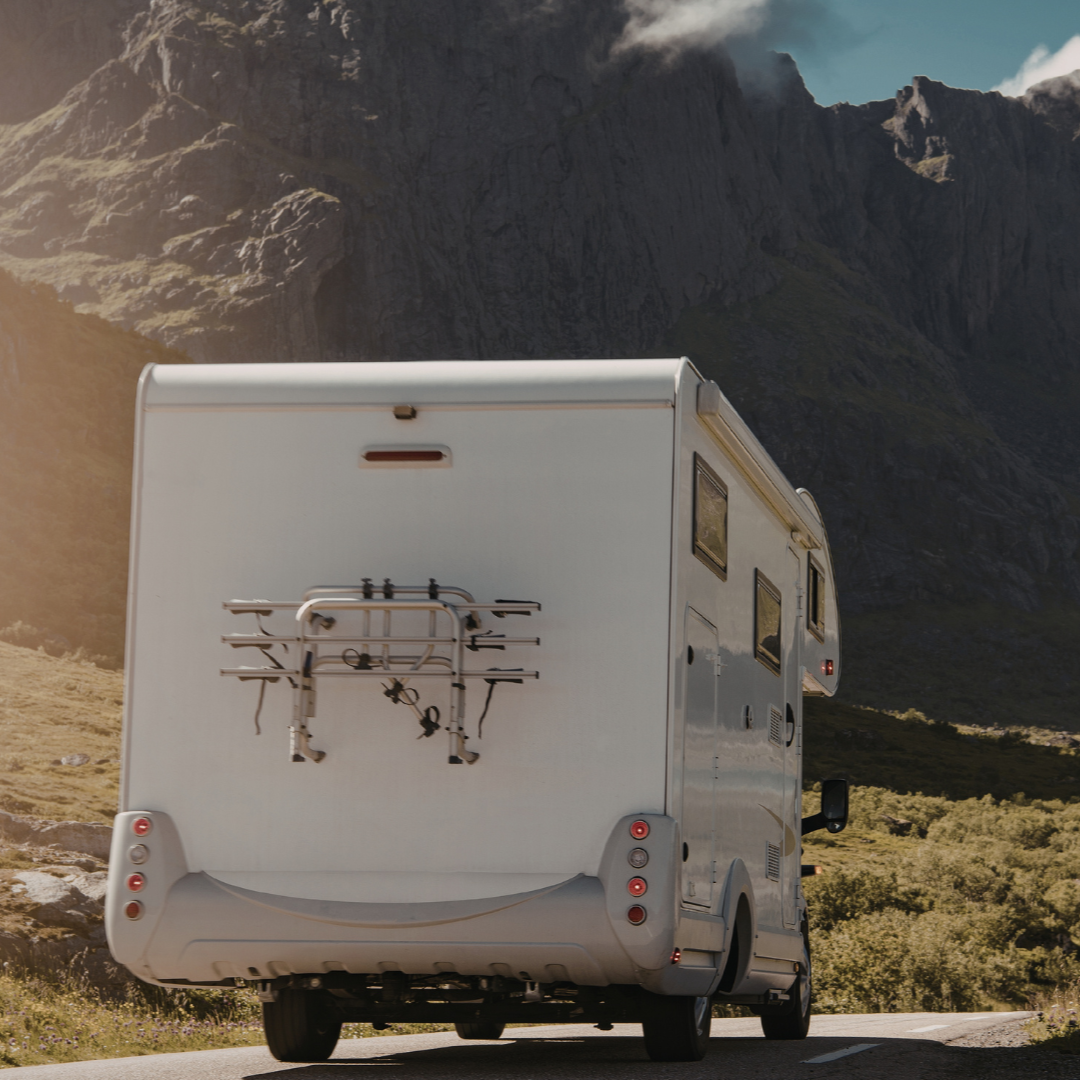
Motorhomes
Class A & C
Luxury on the move. Complete protection tailored for large scale, high value motorized coaches and family campers.
-
![]()
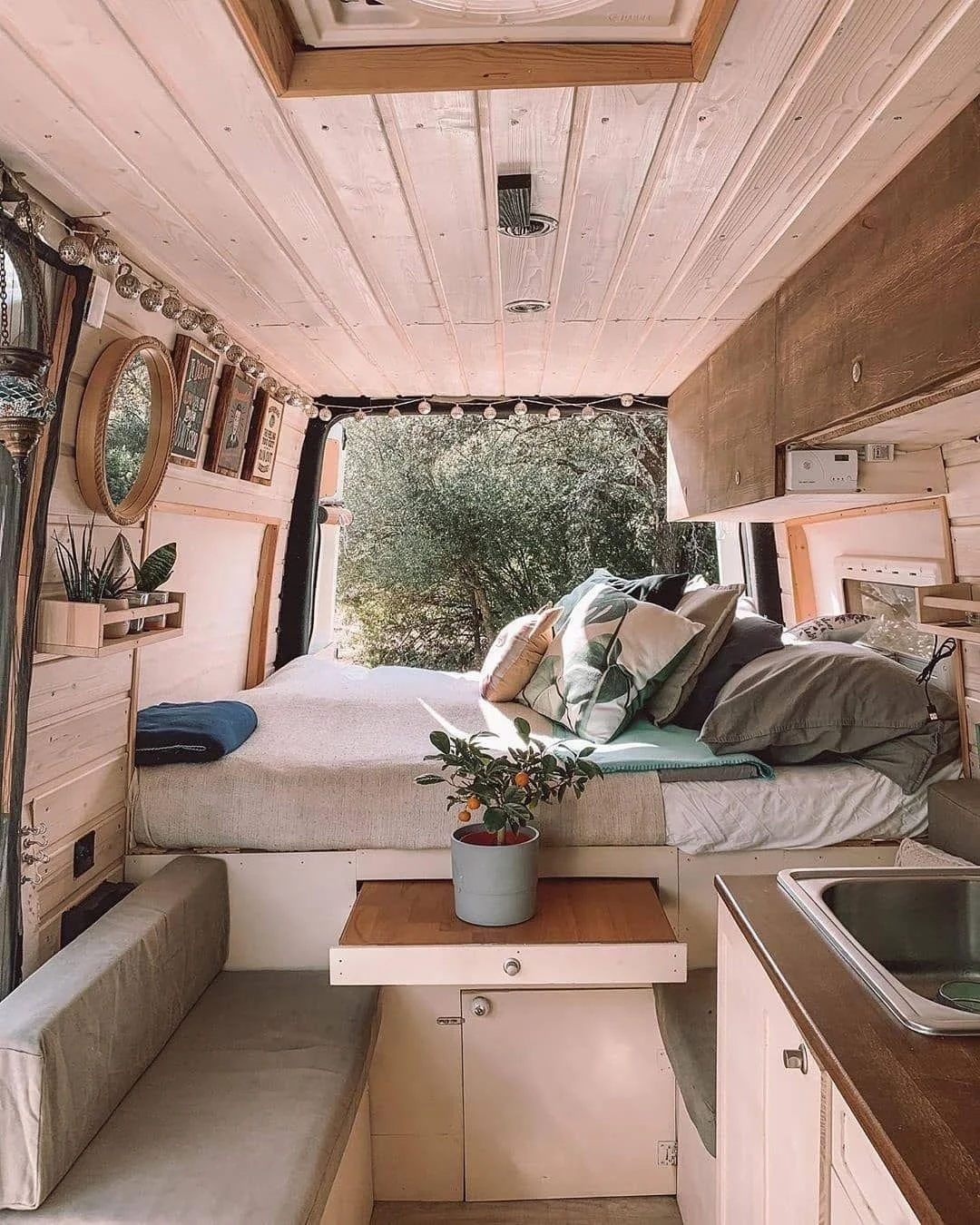
Camper Vans
Class B
Built for agile adventure. Specialized agile coverage optimized for custom van builds, off-grid utilities, and road trips.
-
![]()
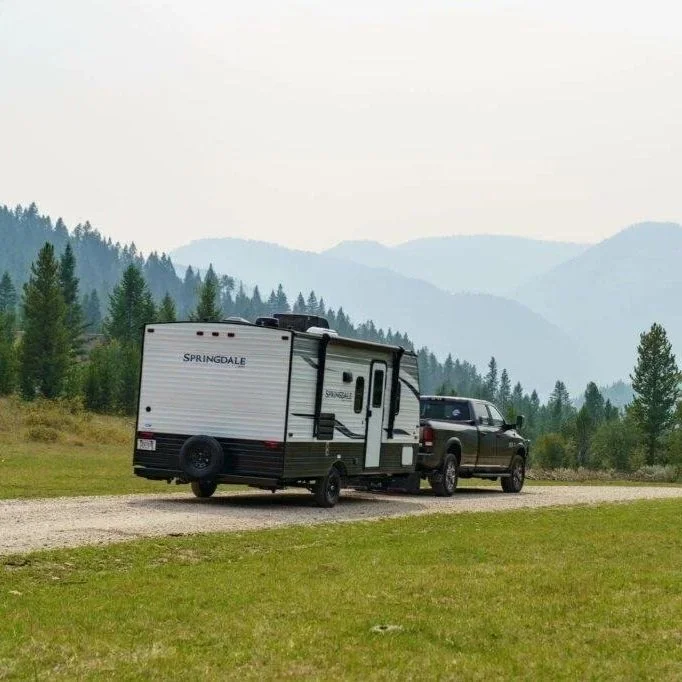
Travel Trailers
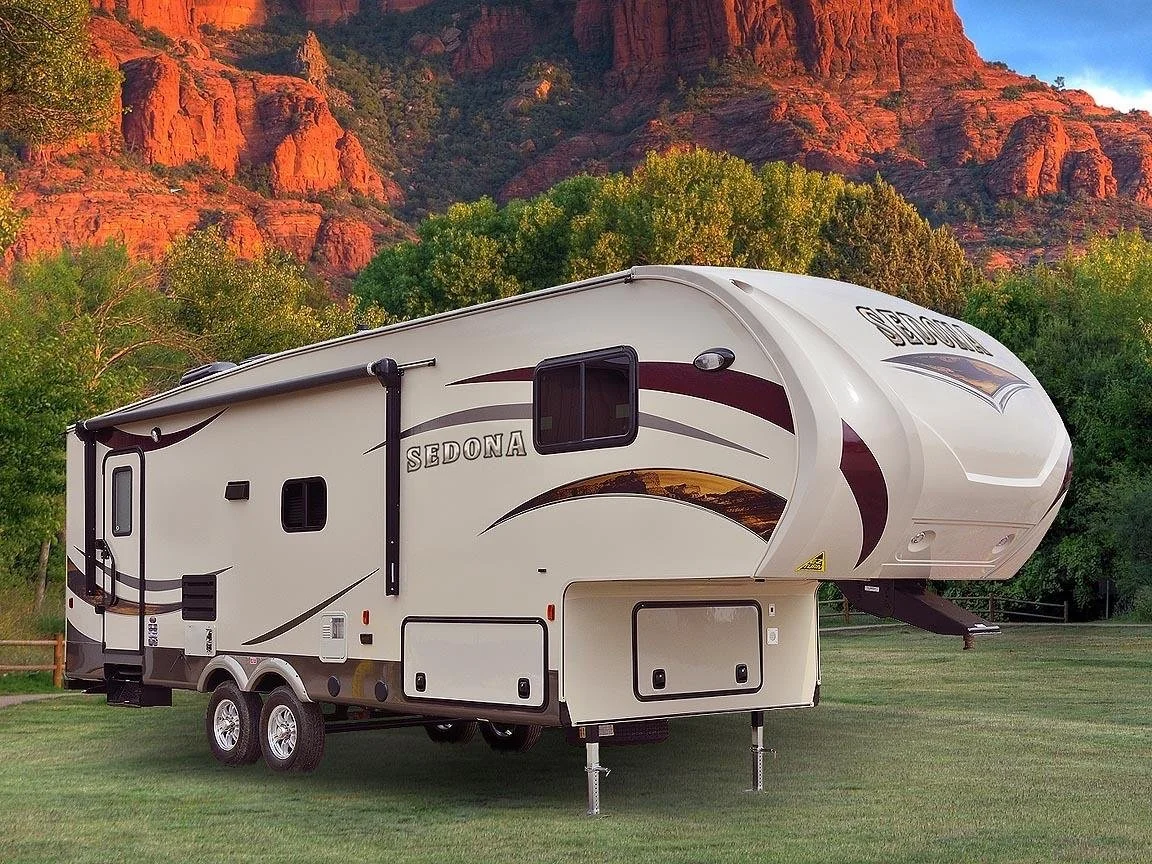
Premium towable security. Complete safety nets designed for traditional tow-behinds, heavy fifth wheels, and utility toy haulers.
-
![]()
Utility Campers
Lightweight trail freedom. Practical, cost-effective protection built for folding tent trailers, truck bed campers, and teardrops.
Understanding Your Coverage
Your rig isn't just a vehicle, it’s your home away from home. Explore the core coverages below designed to protect your investment, your family, and your peace of mind wherever you park.
Bundle & Save
We’ll help make sure youre coverage & discounts are working together.
01
Tell Us About Your Needs
02
Review Coverage Options
03
Choose Your Solution
-
BUILT AROUND YOU
We design custom portfolios tailored to your specific lifestyle and risks, rather than forcing you into a cookie-cutter policy.
-
REAL SERVICE
Skip the automated phone trees. Enjoy direct access to a local, trusted advisor who proactively manages your protection.
-
ZERO GUESSWORK
Insurance shouldn't be a mystery. We break down the complexities, so you fully understand your coverages and exclusions.
-
REAL OPTIONS
As an independent brokerage, we leverage our network of top carriers to secure premium protection at competitive rates.
RV & Travel Trailer FAQ’s
-
Yes, for motorhomes; generally, no for trailers, with an exception. Because motorhomes are driven under their own power, state laws require active liability coverage just like a car. Travel trailers don't legally require insurance to be towed because your truck's liability extends to the hitch, but if you have a bank loan or a lease on the trailer, your lender will mandate comprehensive and collision coverage to protect their asset.
-
Only for damage you cause to others while hitched, unless you buy a dedicated policy. Your tow vehicle’s auto insurance only extends liability down the hitch line, it will never pay a single dollar to fix physical damage to your actual trailer if you crash, jackknife, or get hit by hail. Dedicated comprehensive and collision protection keeps your rig secure 24/7, whether you are flyng down the highway, unhitched at camp, or sitting in winter storage.
-
Not under a standard recreational policy. Regular RV and trailer policies assume you are using the rig for temporary vacations. If you live in your rig for more than six months out of the year, you need a specific Full-Timer endorsement. This switches your policy into a hybrid package that gives you massive home-style personal liability and deep personal property protection.
-
Yes, if you add Vacation Liability. A standard auto policy stops working the second you park. Adding campsite protection transforms your policy into a temporary homeowners shield, covering you if someone trips over your leveling blocks, gets hurt on your patio mat, or if a faulty campground utility pedastal causes a massive electrical surge that fries your rig's internal systems.
-
Yes, under comprehensive and collision. Mechanical components like automatic slide-outs, leveling jacks, and exterior awnings are covered if they are damaged by an outside force like a collision, a falling tree branch, or a sudden severe storm. Keep in mind: insurance never covers standard mechanical wear-and-tear or general maintenance failure.
-
Yes, as long as they have your explicit permission and a valid driver's license. Insurance generally follows the vehicle, not the person. However, because heavy fifth wheels and large motorhomes require specialized driving skills, anyone handling your rig needs to be fully permitted under your policy terms for coverage to apply cleanly in a major claim.
-
It depends entirely on the settlement type you choose when building your policy. You can opt for Actual Cash Value (pays out the depreciated market value at the time of the crash), Stated Amount (pays up to a specific value you agreed on upfront), or Total Loss Replacement (replaces a newer rig with a brand-new, current-model-year equivalent).
-
Only if the water damage is caused by a sudden, accidental covered event; like a severe hailstorm punching a hole through your roof vent or a tree branch shattering a skylight. Insurance explicitly excludes gradual, long-term rot, slow pipe leaks, or mold resulting from poor sealant maintenance over time.